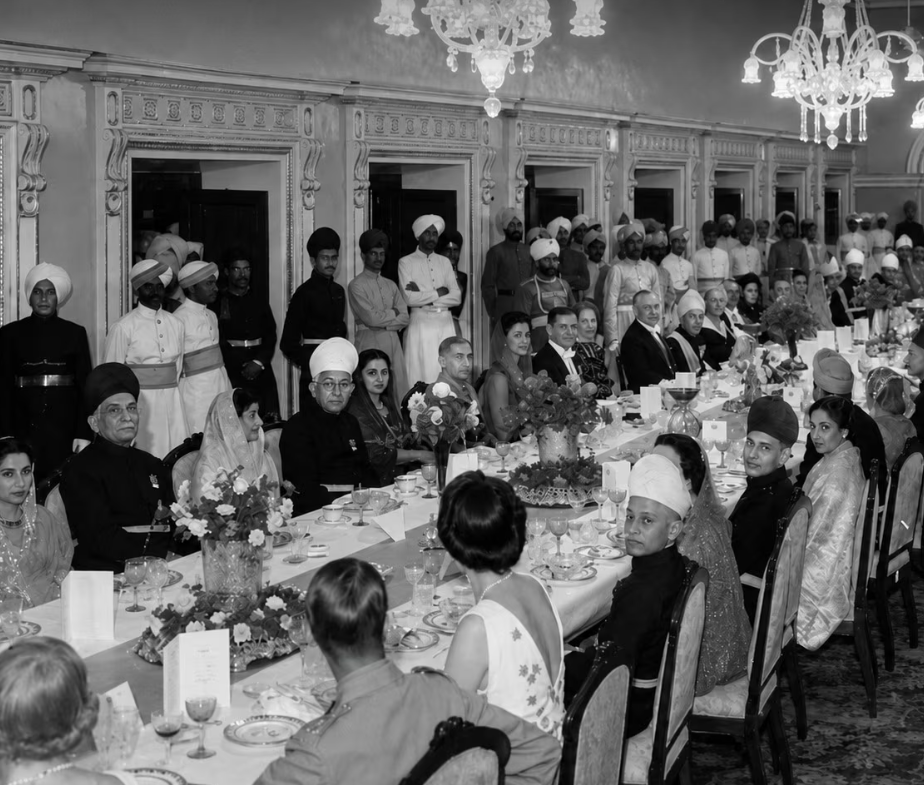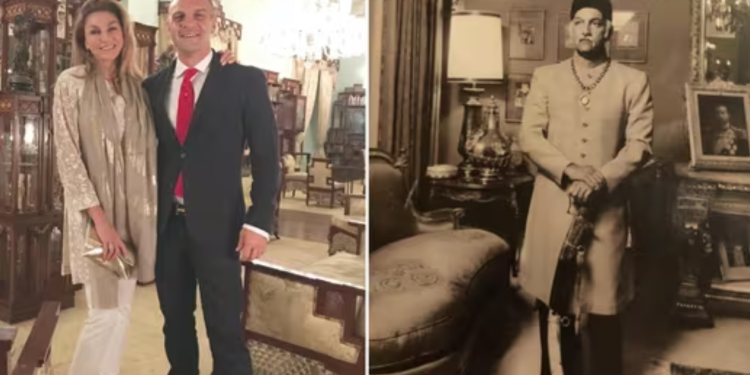
In modern India, royalty is no longer measured by crowns or kingdoms, but by the dedication to preserving history while embracing the future. The Nizams of Hyderabad were once among the most influential royal families in the world, remembered not just for their legendary wealth, but for their profound patronage of art, education, architecture, and public institutions. Today, even as India thrives as a vibrant democracy, the legacy of the Nizams continues to echo through the city’s monuments, culinary traditions, and cultural identity.
In an exclusive conversation, Prince Azam Jah—son of the late H.E.H. Mukarram Jah, the 8th Nizam of Hyderabad—shared a rare, intimate look into his royal childhood, the weight of his family’s heritage, and the evolving role of historic families in a rapidly changing India.
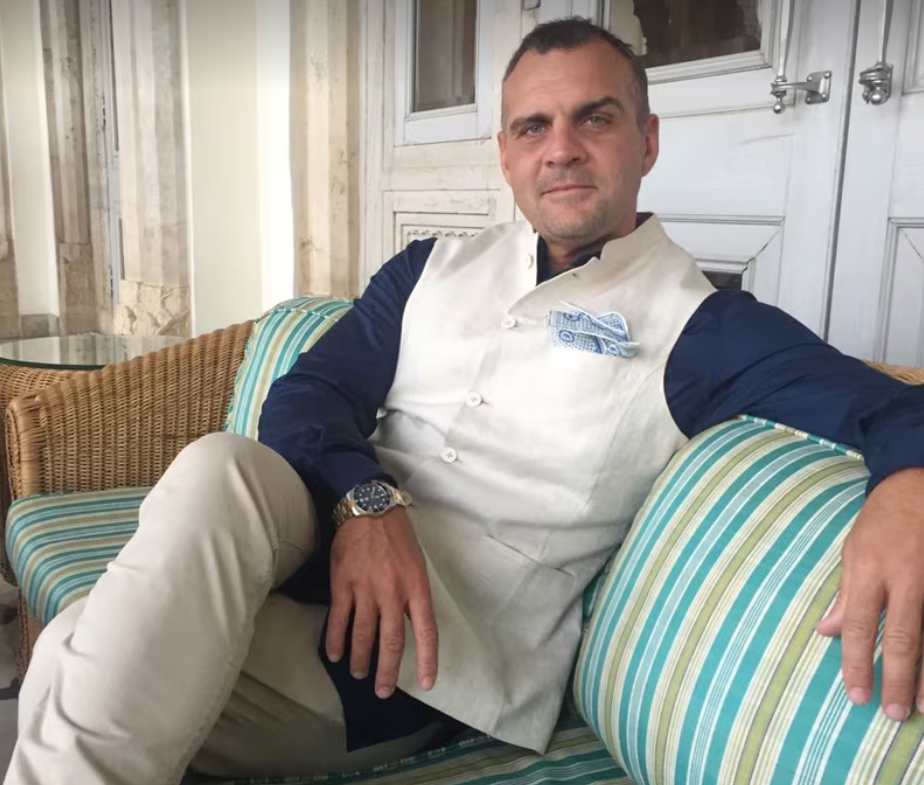
A Childhood in the Palaces
For Prince Azam Jah, growing up amidst grand architecture was initially just ordinary life. “My earliest memories are deeply tied to Hyderabad and Chiraan Palace, which to me was simply home,” he reflects. “I remember vast gardens, riding horses, family gatherings, and listening to stories about my ancestors. As a child, I didn’t see these surroundings as anything out of the ordinary—they were just part of my daily life. It might seem surreal looking back, but at the time, I was just a boy playing in his father’s house.”
It was only with hindsight that the Prince recognized the uniqueness of his upbringing. “Only later in life did I truly understand how fortunate I was to grow up in such an environment. Those early years fostered a deep, lifelong love for Hyderabad—especially the Hyderabad of old.”
When asked about the iconic palaces that define the city’s skyline, the Prince recalls how spaces shift meaning over time. While Falaknuma Palace has since been transformed into a luxury hotel, he remembers a much quieter era. “When I used to go up there with Dad, it was profoundly quiet—we had the entire place to ourselves. While a lot of the old charm remains, the experience today is entirely different.”
Yet, it was another residence that held his heart. “My personal favorite was always King Kothi, my great-grandfather’s home. I loved visiting it with my father; he always affectionately referred to it as ‘Granddad’s house.’ Hearing him call it that always made me feel a warm connection to my great-grandfather and brought a smile to my face.”
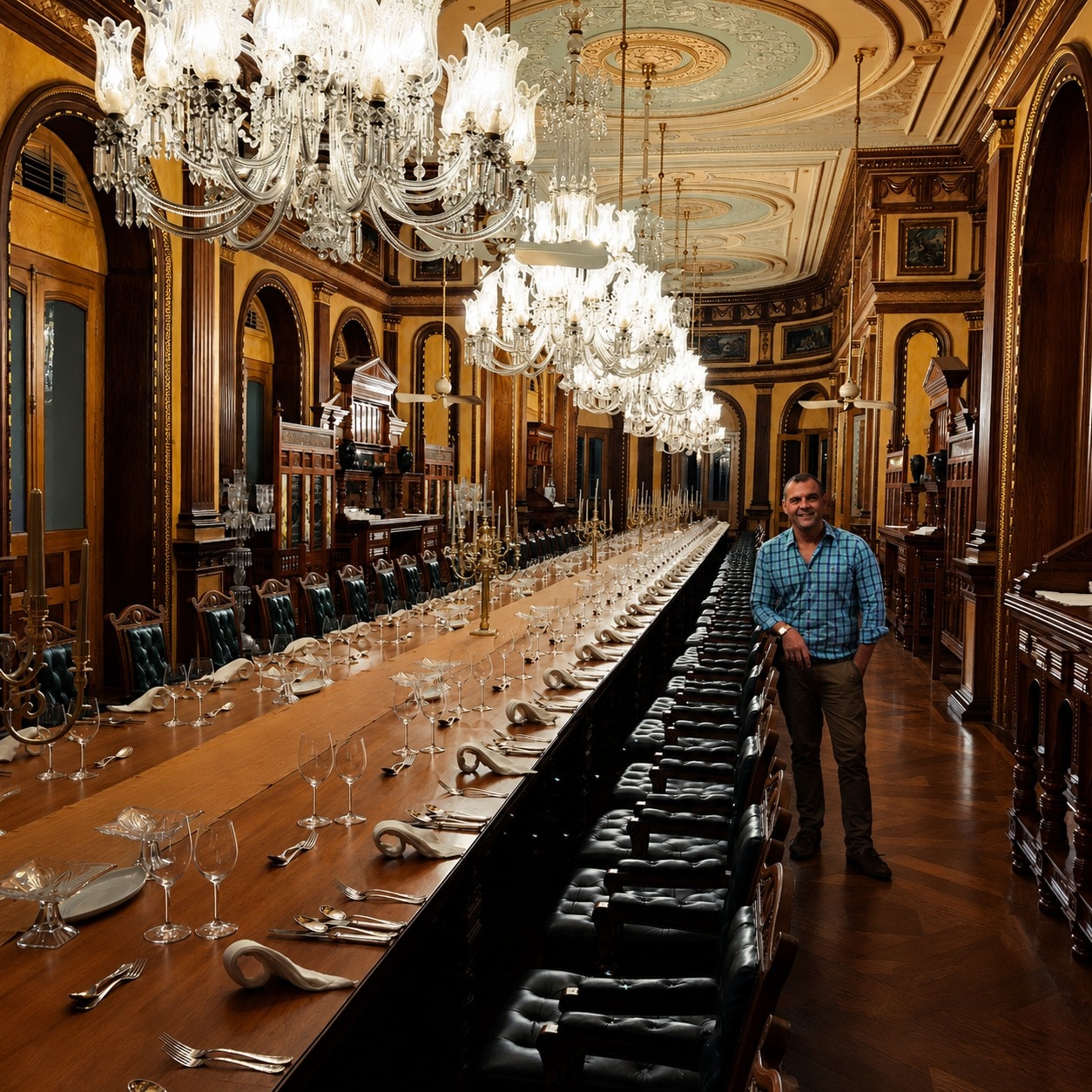
The Soul of the City: Food and Monuments
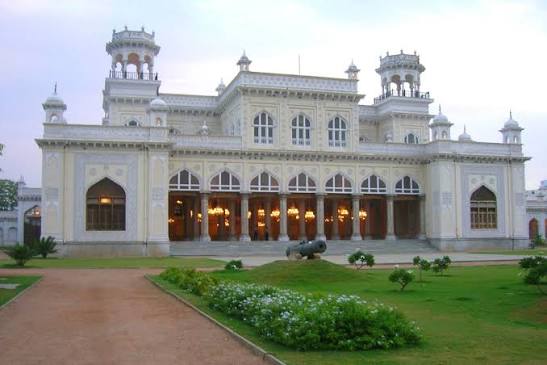
Among the enduring monuments of the dynasty, Chowmahalla Palace stands tall. To Prince Azam Jah, it is more than just stone and mortar. “Chowmahalla Palace is one of the most vital living symbols of Hyderabad’s history, as well as my own. As the ancestral seat of my forefathers, it serves as a tangible, breathing connection to the past—not just for me, but for all the people of Hyderabad. It stands as a beautiful reminder of a golden era.”
Beyond architecture, the spirit of Hyderabad lives in its kitchens. When asked if a particular flavor transports him back to the palace tables of his youth, the Prince answers without hesitation:
“Without question, it would be Hyderabadi biryani. It is far more than just a dish; it is a vital part of Hyderabad’s identity. It was also my father’s absolute favorite. He ate it daily, and it was a constant presence at both lunch and dinner whenever we stayed at Chiraan Palace.”
From Rulers to Custodians
As Hyderabad transforms into a global powerhouse of technology, innovation, and investment, Prince Azam Jah is deeply impressed by how the city balances progress with identity. Few places, he notes, manage to leap into the future while fiercely protecting their heritage, cuisine, and culture quite like Hyderabad.
This modern evolution has also shifted the role of the royal family itself. “The role today is vastly different from what it once was,” the Prince explains. “In modern India, heritage families no longer hold formal positions of authority; instead, their contribution lies in helping preserve history, culture, and traditions. Their role is increasingly that of custodians of heritage rather than holders of power.”
For Prince Azam Jah, the true legacy of his family was never about material riches. It lives on in the public infrastructure and the foundational institutions that shaped the city.
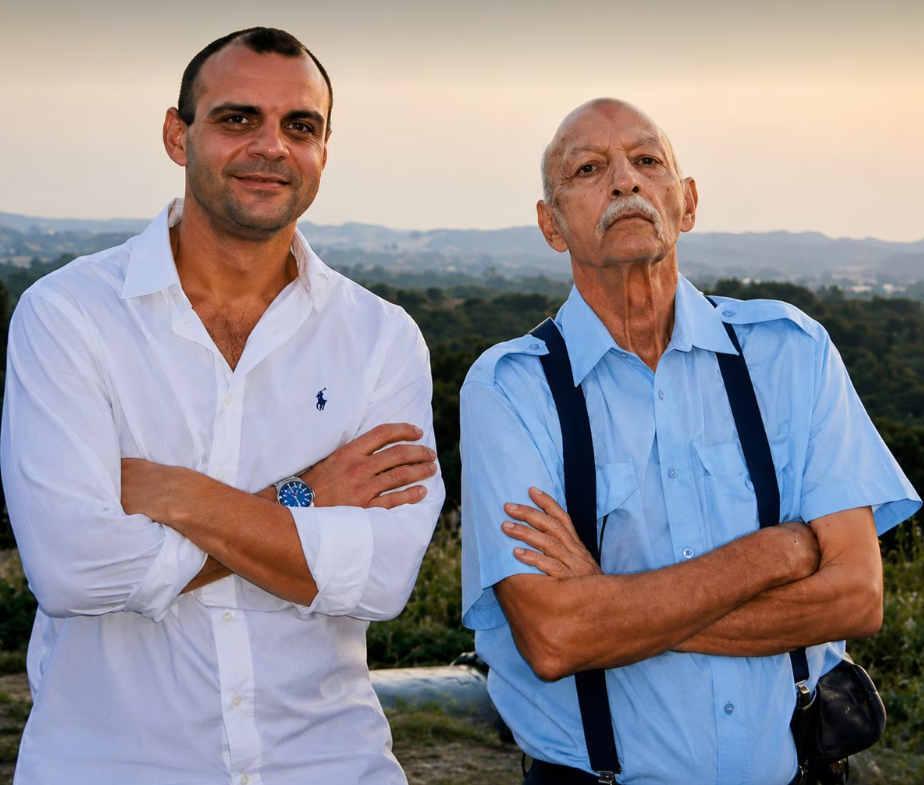
“I think of enduring institutions like Osmania University and Osmania General Hospital, alongside the public infrastructure and the architectural heritage that remains active today. Those tangible contributions are easy to see,” he concludes. “However, the deep respect and affection for my forefathers that still thrives in the Old City is truly humbling. The fact that people there still refer to Mir Osman Ali Khan as Nizam Sarkar is a powerful testament to the immense respect he continues to command.”