For decades, Hyderabad’s relationship with fine art was a quiet, domestic affair. Art was treated as a secondary element of home design—a pleasant, non-offensive piece of wall filler selected to match the upholstery.
But a quiet revolution is unfolding across the city’s cultural landscape. Hyderabad’s art scene is entering a new era of maturity, matched by an increasingly discerning audience that is rapidly moving past traditional, purely decorative aesthetics. Whether it is curious visitors leaving detailed notebook reviews on a bustling Sunday afternoon or young professionals engaging with experimental installations, Hyderabadis are no longer just looking at art—they are letting it provoke them.
To understand this shift, we caught up with the cultural pioneers who have spent years shaping and witnessing this vivid evolution firsthand.
Global Exposure and the Demands of a New Audience
“The art situation in Hyderabad has drastically changed, and changed for the better,” states Rekha Lahoti, director of Kalakriti Art Gallery, an institution celebrating its landmark silver jubilee next year.
Lahoti ties this transformation directly to a population that has become exceptionally well-traveled and globally exposed. Local art enthusiasts are regularly returning home from major national hubs like the India Art Fair and Art Mumbai, bringing back a mature perspective that demands high-caliber creative expression right here in the Deccan.
Lakshmi Nambiar has tracked this rapid shift from her vantage point at Srishti Art Gallery, one of the city’s oldest art spaces. “There is a growing awareness among people to buy art, which was not the case before,” Nambiar observes. “The aesthetic sensibilities in the city were very traditional, which is also changing with exposure to art.”
While the base of core collectors is still growing gradually, both directors agree that the general inquisitiveness and curiosity of the everyday audience have fundamentally transformed.
The Designer Catalyst: From Filler to Intent
Driving this lifestyle evolution is a fundamental shift in how Hyderabadis view their personal spaces. Art has broken free from being a mere afterthought.
“This shift is mainly driven by interior designers and architects, who have championed the idea that a home is incomplete without art,” Nambiar explains. “Initially, designers had to drag homeowners in reluctantly. Now, I see that homeowners themselves believe that filling up their walls with meaningful art is essential.”
Instead of looking for something that simply blends into the background, buyers are looking for pieces that spark conversation, tell a story, and reflect their personal identity.
Dismantling the Invisible Barriers: Is Art Democratized?
Historically, fine art spaces carried an unspoken reputation of being exclusive, elite, and intimidating to the general public. Today, galleries like Srishti and Kalakriti are actively dismantling those invisible barriers to make art appreciation a city-wide affair.
For Kalakriti Art Gallery, this democratization begins with absolute operational openness and a strong digital presence. “Our Google listing gets a lot of inquiries from people asking if the gallery is actually open to the public,” Rekha Lahoti notes. By keeping their doors open seven days a week, the gallery has seamlessly integrated itself into the weekend routines of everyday residents.
To ensure visitors don’t feel lost once they step inside, Kalakriti intentionally pairs its exhibitions with educational context—utilizing interactive presentations, preview-day conversations, and structured dialogues between artists and curators.
Recognizing that physical distance can be a cultural barrier, the gallery has also expanded its geographical footprint. By taking its art appreciation discourses out of the traditional gallery hub of Banjara Hills and directly into the corporate corridors of HITEC City, Kalakriti is bringing art to where the city’s modern workforce lives, breathes, and works.
The Antidote to Gallery Intimidation
For Srishti Art Gallery, making art democratic is less about academic lecturing and more about encouraging a simple habit of continuous exposure. Nambiar points out that the primary hurdle for the public is a sense of overwhelm.
“The challenge is that people feel too overwhelmed, that’s why they won’t enter,” Nambiar explains. Her ultimate antidote to gallery intimidation is regular, pressure-free viewing without the anxiety of needing to immediately comprehend the work.
“The more you see, the less you need to worry about immediate comprehension. Visit three times, and you will naturally develop your own opinion about what you like and what you don’t.” — Lakshmi Nambiar, Director, Srishti Art Gallery
On the Gallery Floors Right Now
This open-door philosophy is vividly reflected in the current, highly experimental programming across Hyderabad:
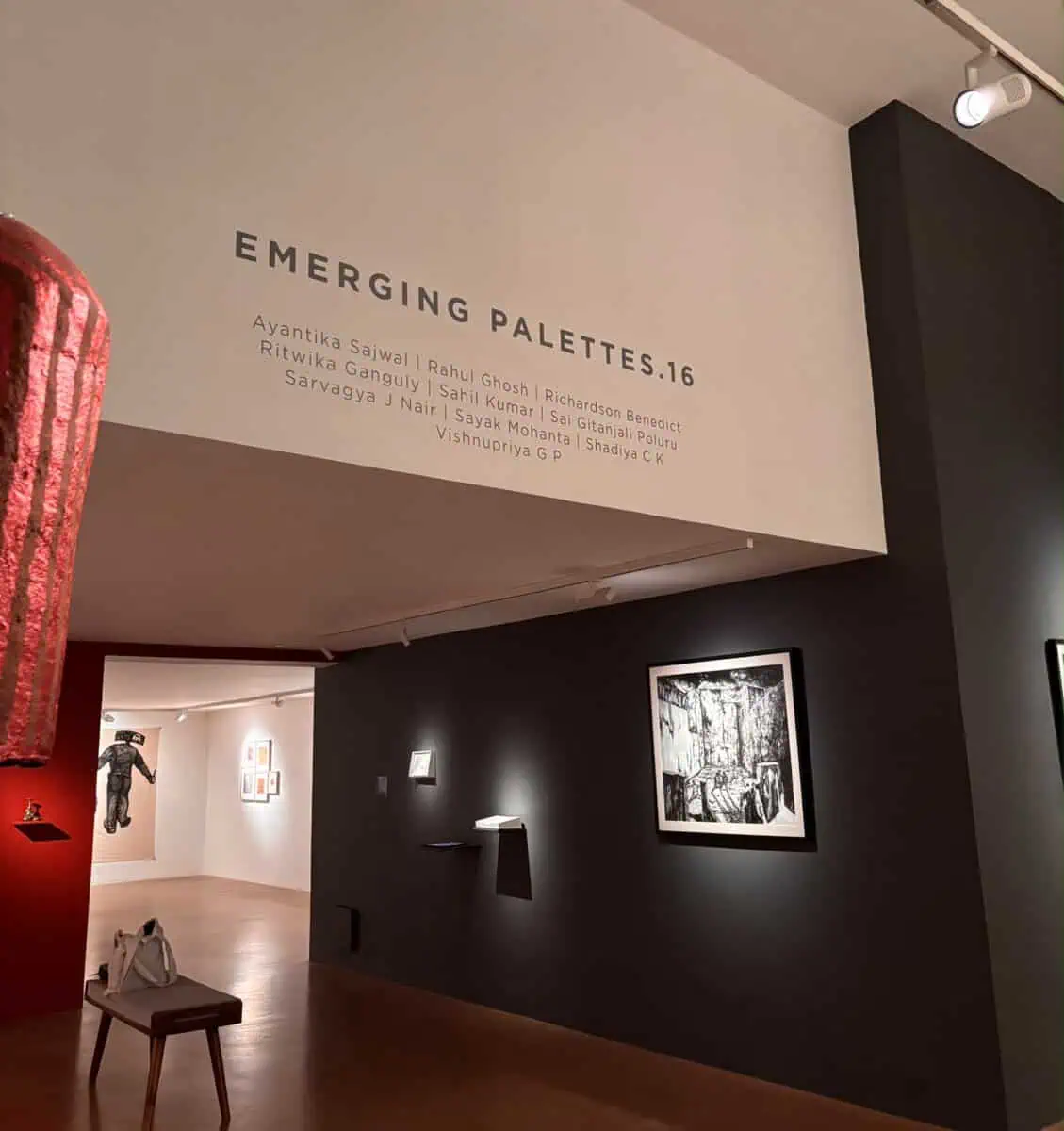
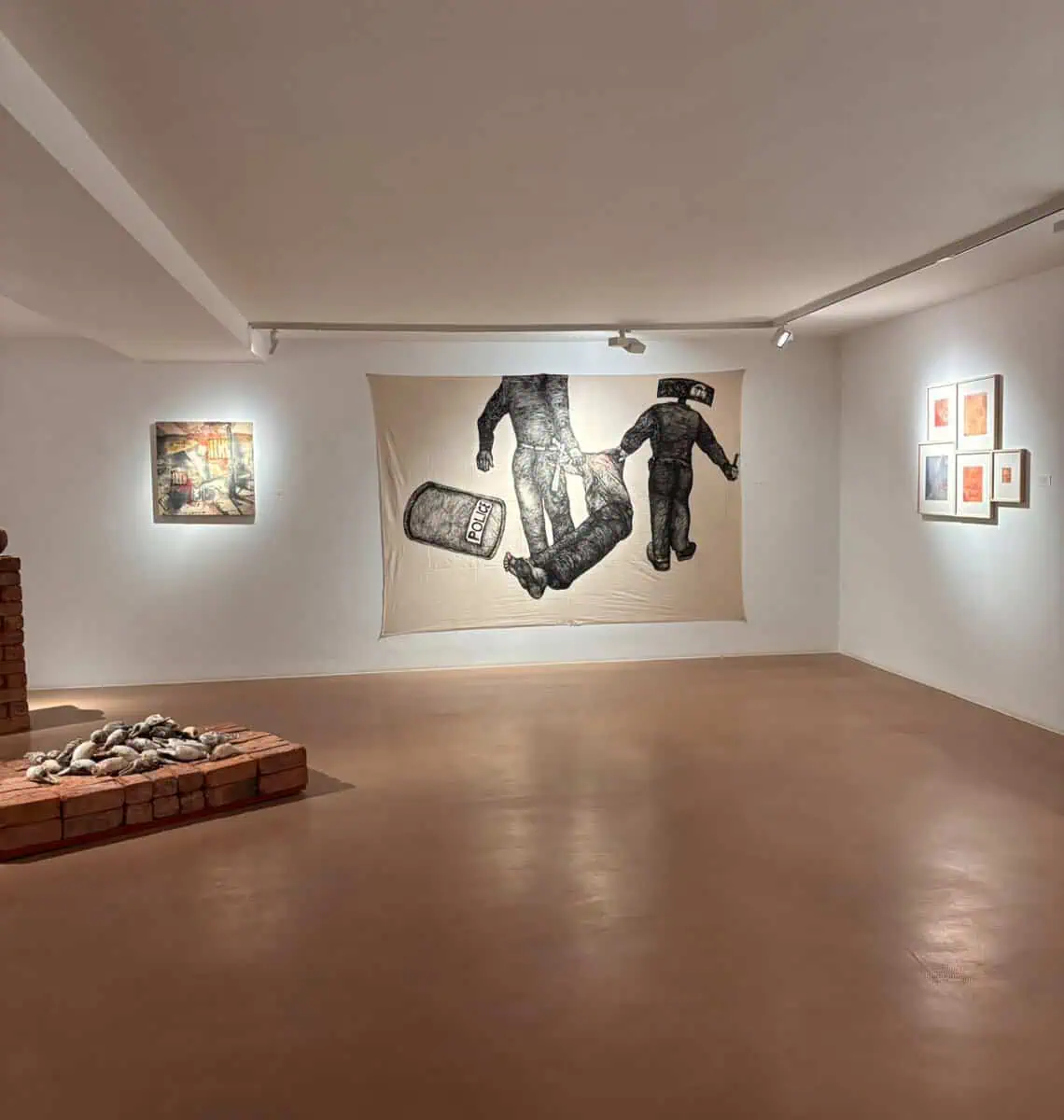
Srishti Art Gallery: Currently hosting its annual Emerging Palettes exhibition. The showcase spotlights multi-dimensional, socio-economically conscious works by recent MFA graduates, capturing contemporary Indian realities.
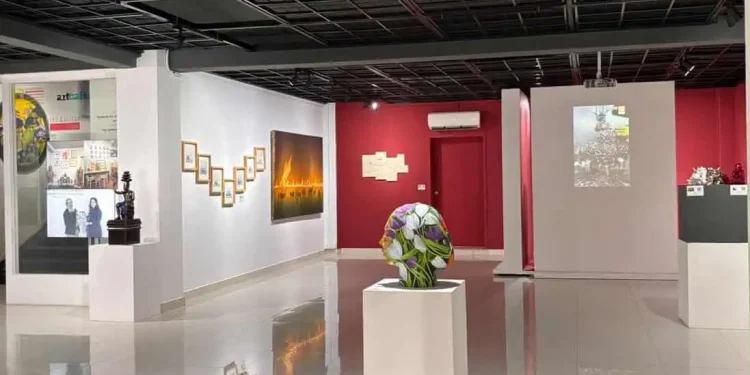
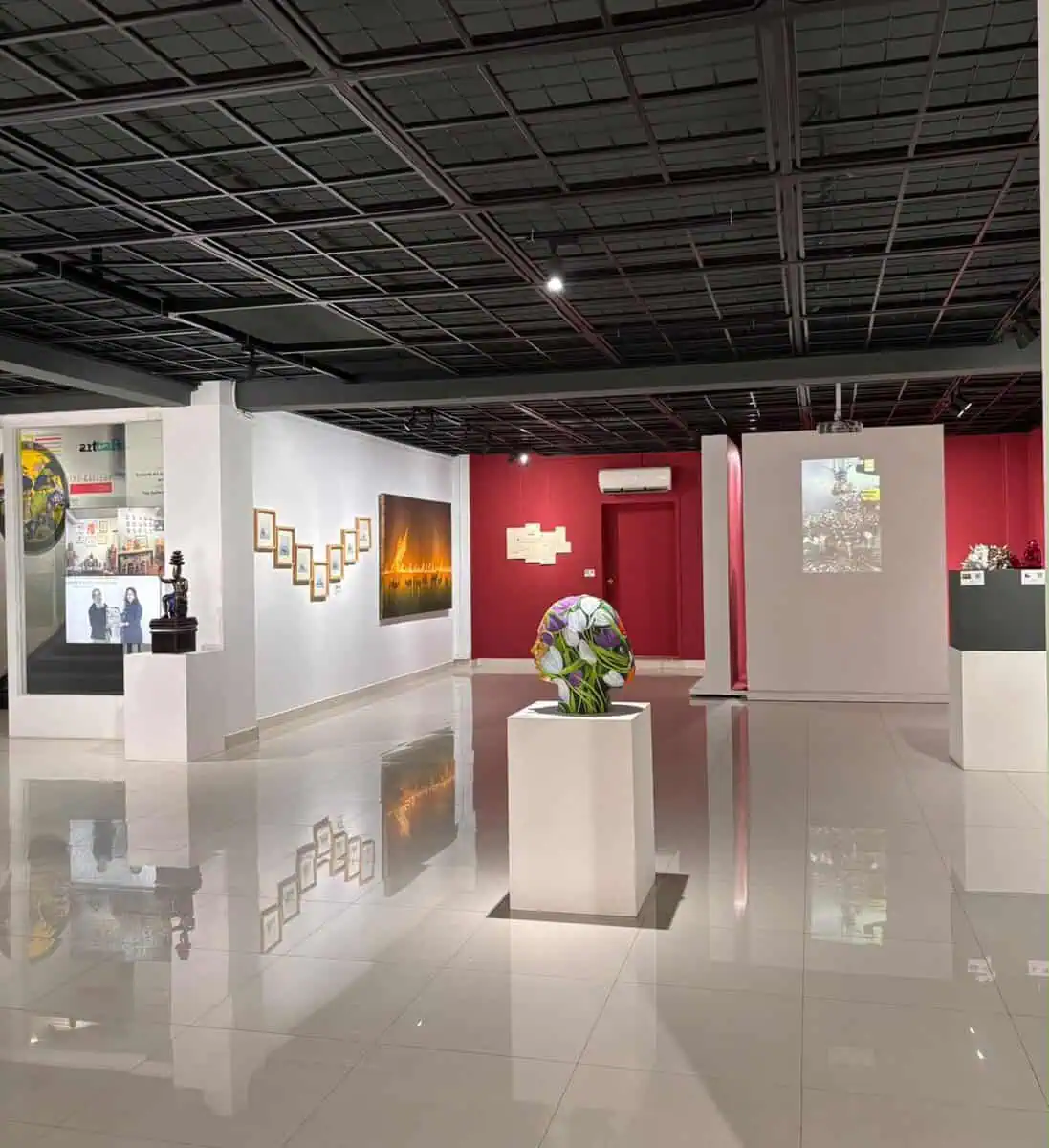
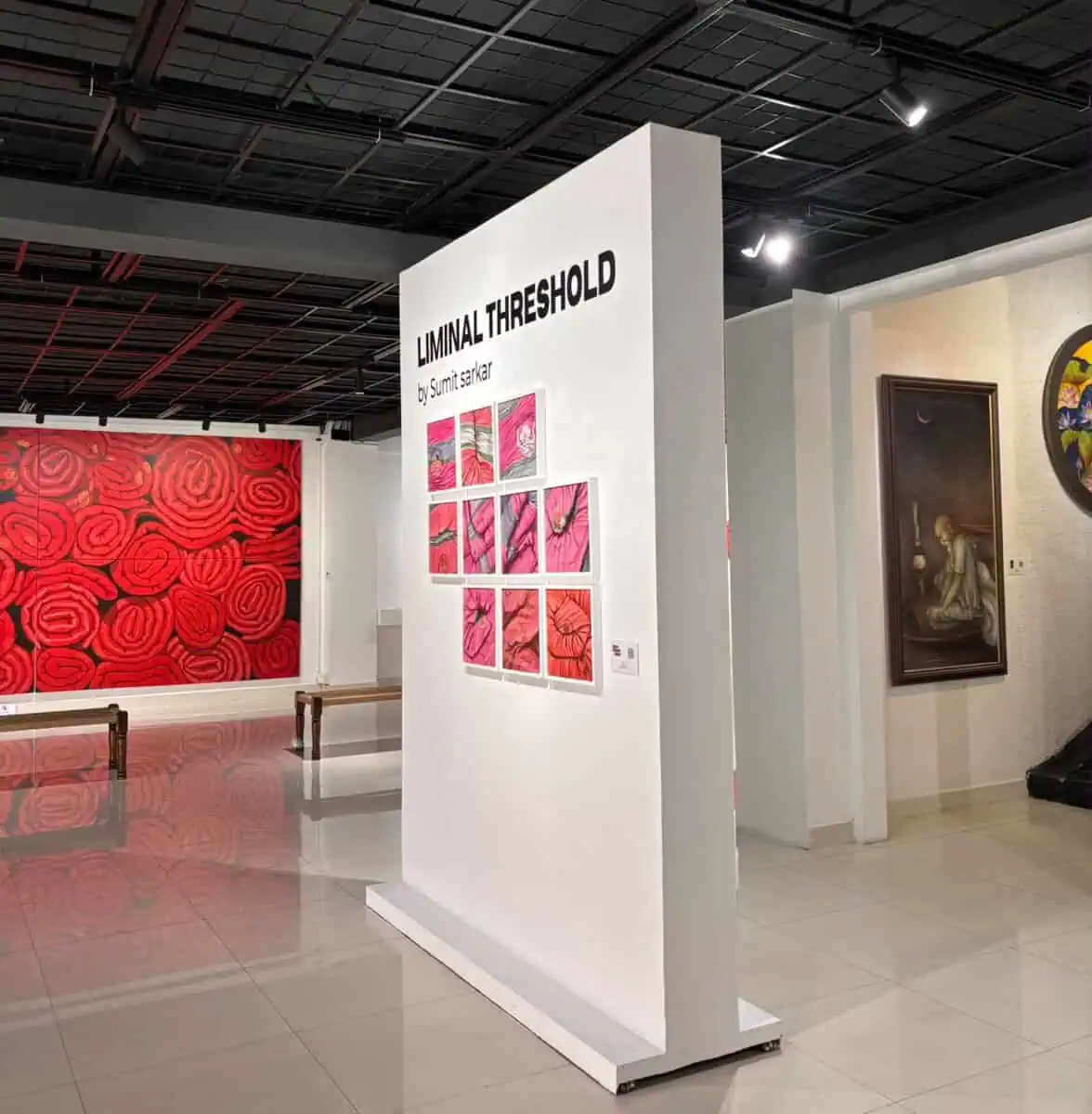
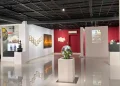
Kalakriti Art Gallery: Presenting a massive, multi-layered visual program under one roof. This includes Sumit Sarkar’s solo exhibition Liminal Threshold, a diverse 16-artist showcase in the Viewing Room experimenting with mediums like wood embroidery and resin, and the exclusive Hyderabad debut of acclaimed UK sculptor Ann Carrington.
By delivering experimental, world-class art directly to the community, these cultural pioneers are proving that Hyderabad isn’t just catching up to the contemporary art world—it is actively helping lead it.
Exactly two years after India gained independence and almost a year
after Hyderabad’s accession to India, they decided to start an Urdu
newspaper. Siasat would then serve as a bridge between the Deccan’s
Muslims who opted to remain in India rather than migrate to Pakistan.