

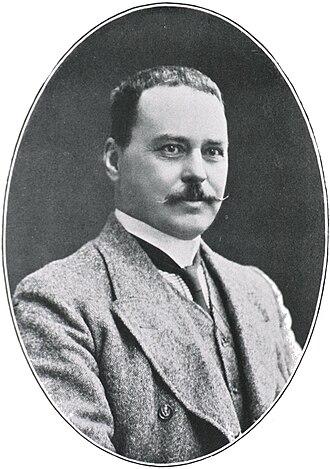
Sir Ronald Ross
1902 Nobel Laureate in Medicine · Discovered the Malaria Parasite Transmission in Begumpet, Secunderabad
Sir Ronald Ross (1857–1932) made one of medical history's greatest breakthroughs on August 20, 1897 ('Mosquito Day') at his small laboratory in Begumpet, Secunderabad, proving that the malaria parasite is transmitted by the Anopheles mosquito — a discovery that won him the 1902 Nobel Prize in Physiology or Medicine.
## The Sir Ronald Ross Institute in Begumpet Working as a surgeon-major in the Indian Medical Service in Secunderabad, Ross dissected the stomach tissue of an Anopheles mosquito fed on a malarial patient, changing global tropical medicine forever. His historic Begumpet laboratory is preserved today as the Sir Ronald Ross Institute of Parasitology under Osmania University.
- Medicine & Bacteriology
- Education
- St Bartholomew's Hospital Medical College
- Alma Mater
- Medical Research (Begumpet, Secunderabad)
- Industry
Provenance
Sources
Explore the directory
More Scientist of Hyderabad
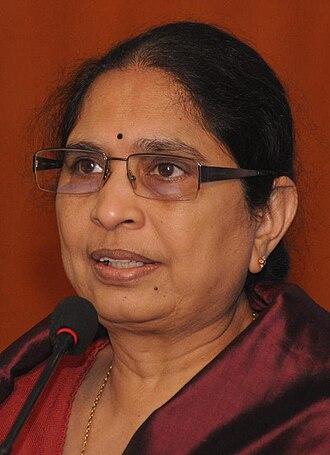 SCIENTISTProf. Shantha SinhaRamon Magsaysay Awardee · Professor, University of Hyderabad & Founder, MV Foundation SecunderabadEDUCATIONVIEW →
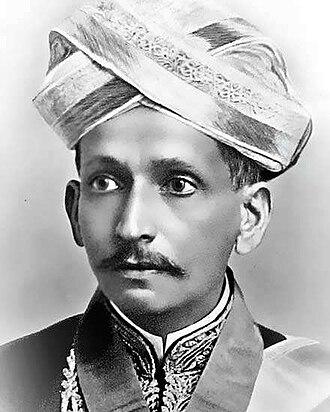 SCIENTISTSir M. VisvesvarayaBharat Ratna Engineer · Architect of Modern Hyderabad's Flood Control, Osman Sagar & Himayat SagarINFRASTRUCTUREVIEW →
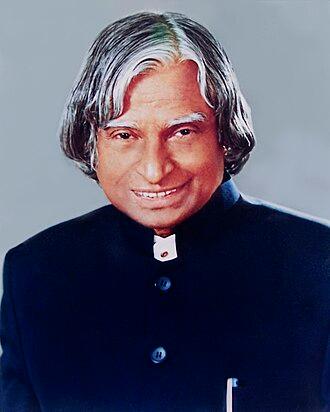 SCIENTISTDr. A. P. J. Abdul Kalam11th President of India · Former Director, DRDL & Founder of RCI in HyderabadAEROSPACEVIEW →
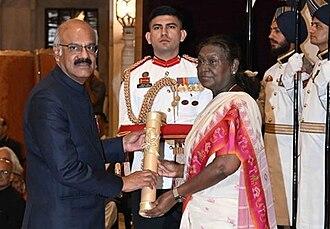 SCIENTISTDr. D. Nageshwar ReddyChairman & Founder, AIG Hospitals, Gachibowli, Hyderabad · Padma VibhushanHEALTHVIEW →
 SCIENTISTDr. Rajeev K. VarshneyAgricultural Genomics Scientist · Former Research Program Director at ICRISAT Patancheru, HyderabadAGRICULTUREVIEW →